
Primitive reflexes
Primitive reflexes are automatic, involuntary movements that are present in infants and typically disappear as the nervous system matures. These reflexes are crucial for survival and early development, aiding in functions such as feeding, grasping, and walking.
In trauma situations primary reflexes help individuals survive by activating the body’s emergency response systems. For instance, these reflexes might increase alertness, trigger rapid physical reactions, or heighten senses to respond quickly to danger. After the immediate threat passes, these reflexes are meant to signal the body to remain cautious to avoid similar dangers in the future.
This means that even subtle reminder of the trauma, like particular sound, smell or situation, can trigger a heightened state of alertness as a protective measure.
How your body can react to protect you?
Imagine someone is sitting in a car and eating an apple when a sudden accident occurs. After the incident, this person develops an allergy to apples. Why? The body has associated the apple with the moment of danger, creating an allergic reaction as a protective measure to avoid perceived future threats.
Does this mean that we are constantly in survival mode?
If primary reflexes remain active after the initial trauma has passed, individuals can stay in constant state of survival mode. This means their bodies are continually on high alert, responding to perceived threats even when there are none. This prolonged state of alertness can lead to chronic stress, fatigue, and various physical and emotional issues, as the body is always preparing to react to danger. Often individuals do not recognise that they are in survival mode.
What being in survival mode means?
Heightened
stress response
The body continuously releases stress hormones like adrenaline and cortisol, preparing for fight, flight, or freeze responses.
Increased
alertness
You can be hyper-aware of your surroundings, often scanning for potentials threats.
Physical
tension
Muscles may be tense, and there can be physical symptoms such as rapid heartbeat, shallow breathing, or sweating.
Emotional
Reactivity
People may experience heightened emotions, such as anxiety, irritability, or panic, even in non-threatening situations
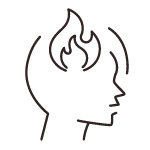
Cognitive focus
on danger
The mind is preoccupied with potential risks, leading to difficulty concentrating on non-threatening tasks.
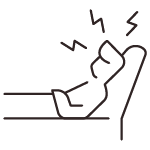
Sleep
disturbances
High alertness can interfere with sleep, causing insomnia or restless sleep.

Immune system
suppression
Chronic stress can weaken the immune system, making individuals more susceptible to illnesses.
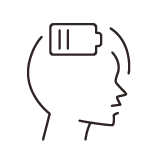
Energy
drain
Constant alertness and stress can lead to chronic fatigue and general sense of exhaustion.
In survival mode, the body prioritizes immediate survival over other functions. Which can interfere with daily life and well-being.
Examples of reflexes
Their functions, and the potential consequences of them being unintegrated.
Withdrawal reflex
Is a rapid, involuntary response to painful stimuli, such as touching something sharp or hot. Sensory neurons send signals to the spinal cord, which then activates motor neurons to contract muscles and withdraw the affected body part, protecting it from injury.
When this reflex is unintegrated, it can manifest as literal withdrawal from social life, leading to isolation and lack of meaningful connections. It may appear as anxiety, panic disorder, low self-esteem, fear of conflict, and difficulty setting boundaries. Individuals may become “people pleasers,” avoid confrontation, and fear rejection or disapproval, making it hard to express themselves. They may also have a feeling that they are not seen and heard. In extreme cases, it can lead to fainting, blackouts, and constant daydreaming.
Palmar grasp reflex
Occurs when you touch the palm of a baby’s hand. The baby will automatically close their fingers around the object that touched their palm. It helps develop the muscles in the baby’s hands and fingers, laying the groundwork for voluntary grasping and fine motor skills later on. This early practice helps babies gain the strength and coordination needed for more complex hand movements as they grow.
An uninhibited palmar reflex can negatively affect fine motor skills and oral motor skills, making it difficult for the thumb and fingers to move independently. It can cause stress on the mouth, jaw, throat, digestive tract, and hand muscles, impacting speech and articulation. Children and adults with this reflex may use excessive force with their hands, and experience digestive issues due to constant stomach acid production. Misalignment of the pelvis and spine, jaw tension, and teeth grinding can also occur. Symptoms include poor manual dexterity, difficulty regulating hand strength, poor pincer grip, speech disorders, sensitive palms, and poor digestion.
The Asymmetric Tonic Neck Reflex (ATNR)
A primitive reflex observed in infants where turning the head to one side causes the arm and leg on that side to extend while the opposite side flexes. This reflex aids in the development of hand-eye coordination.
If uninhibited, the Asymmetric Tonic Neck Reflex (ATNR) disrupts balance and coordination, making tasks like crawling, walking, writing, and reading difficult. It affects eye movements and midline crossing, leading to sloppy handwriting, slow movements, and learning stress, or issues with driving. This can result in frustration and difficulties with planning, chaos in head, house, and life in general.
Spinal Galant Reflex
This reflex causes the hip to lift when the lower back or hips are touched. This reflex helps stabilize the pelvis and lower back, impacting overall posture and alignment. It aids in the body’s response to tactile stimuli around the hips and lower back, affecting how individuals experience comfort or discomfort. The reflex supports the coordination of movement between the upper and lower body, impacting activities like sitting, walking, and maintaining balance.
If uninhibited, it can lead to misalignment of the spine, walking with one hip twisted, and difficulty maintaining pelvic stability. This reflex often results in discomfort with tight clothing around the hips and lower back, frequent fidgeting or tics, and challenges in sitting still. It can also contribute to back pain, pinched nerves, muscle weakness, and issues with bladder control. Additionally, it can affect balance, hormone levels, and sensitivity to sound and language processing, potentially exacerbating concentration problems and distractibility. Feeling worried all the time, thinking in negative perspective, seeing risk everywhere, and obstacles instead of opportunities.
The Sucking Reflex
Supports early oral motor skills. It triggers when the cheek or jaw is touched, causing the head to turn and the mouth to open slightly with a forward-moving tongue and a desire to suck and swallow. It is linked to feelings of safety and attachment, playing a role in comfort and bonding. The reflex helps integrate sensory input from the mouth and face, which is crucial for developing proper eating habits and communication skills.
Uninhibited can lead to sensitivity around the mouth, excessive drooling, too little suction in a baby, and difficulties with solid food. It may impact speech and articulation, also causing issues like difficulty looking at someone while speaking. This reflex can affect hand motor skills and disrupt a sense of safety, potentially leading to relationship difficulties, anxiety, and issues with menstruation, fertility, and pregnancy. It leads to smoking, sucking thumb, biting nails, and excessively touching face.
The Tonic Labyrinth Reflex (TLR)
Causes the body to respond to head position changes: when the head is bent forward, the body tends to curl or collapse, while bending the head backward extends the arms, legs, and back. TLR helps stabilize posture and manage muscle tone according to head orientation. It helps adjust body position in space, impacting depth perception, direction, and sense of gravity. It integrates head, body, and limb movements, which is essential for developing proper posture, coordination, and visual-motor skills.
An uninhibited TLR leads to poor balance, muscle tone issues, and difficulties with spatial orientation. Children with this reflex may struggle with crawling. Children and adults might have difficulties in coordination, focusing, depth perception, and time management. They often have back pain, poor posture, might experience anxiety and fear of heights, and car sickness. They
Location
Netherlands – Amsterdam, Zaandam
Poland – Krakow, Stalowa Wola
Phone
+31 639 247 494
therapy@martynapaluch.com